Posts

Showing posts with the label blossom

A Sight Descended From The Past - A Castle On The Hill
Image
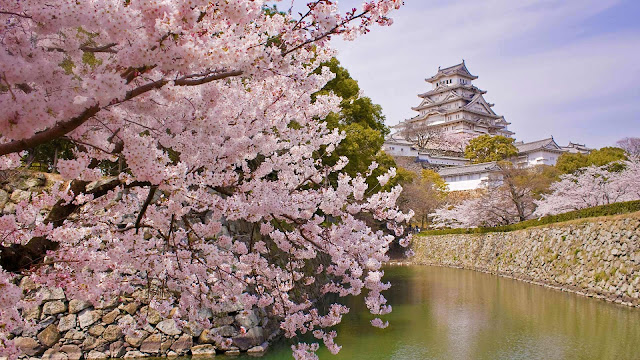
Castle on the hill! Cherry blossoms and Himeji Castle in Himeji, Japan by Tororo. In honour of Castle Day in Japan, we're featuring Himeji Castle - one of the most pristine examples of traditional Japanese castle architecture and a UNESCO World Heritage Site.  Castle Day is on April 6 (or 4/6) because the Japanese character for castle (城) is read as 'shiro', and the Japanese pronunciation of 'four' is 'shi' and 'six' is 'ro'. Samurai warrior Akamatsu Norimura built Himeji Castle in 1333 as a fortress. Over the years, the structure has been remodelled many times and buildings were added as it changed hands. The castle even survived World War One unscathed while surrounding areas were bombed mercilessly. Today, it’s perhaps the best-known castle in Japan.
White, Pink And Purple Blossom

Image
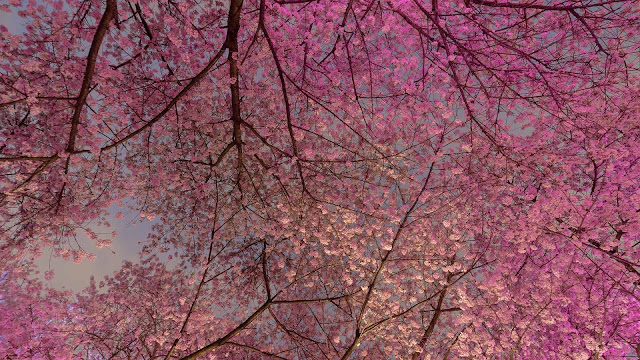
Blooming cherry trees in Vancouver, B.C, Canada

A Day To Celebrate Cherry Blossom

Image
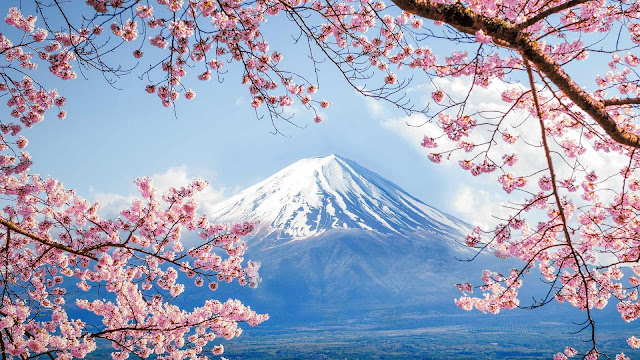
"Mt. Fuji and Sakura" Yamanashi, Lake Kawaguchi Today is "Sakura Day"! This is the cherry blossom anniversary established by the Japan Sakura Association.  3 × 9 = 27, March 27, from 3 (sa) 9 (ku).  The current season is the 72nd season of cherry blossoms, and this year is March 25.  It is said that the cherry blossoms are starting to open ... At the foot of Mt. Fuji, the cherry blossoms at Lake Kawaguchi will soon be in full bloom.  The walking trail around the lake is lined with about 200 cherry blossom trees, making Mt. Fuji look like a picture frame.

A Theme Of Nature

Image
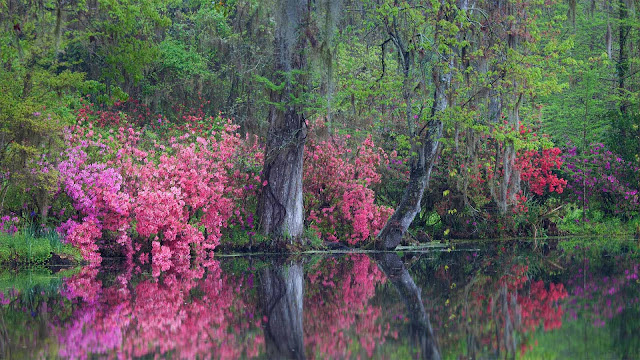
Azaleas in bloom at Magnolia Plantation and Gardens, Charleston, South Carolina Pretty in pink, and purple, and red... Azaleas in peak bloom are a stunning sight at the Magnolia Plantation and Gardens near Charleston in the US state of South Carolina. Together they create a vibrant forest of blooms spanning hundreds of native and hybrid varieties, including 15 azaleas once thought to be extinct. Founded in 1676 as a rice plantation, Magnolia introduced an extensive network of dams and dykes built along the Ashley River for irrigating fields for rice cultivation. These earthworks were created by African slaves from rice-growing regions of West Africa and their descendants. Botanical gardens were an early feature of the plantation; some sections of Magnolia's gardens date back 325 years.

A Pair Of Crimson Rosella

Image
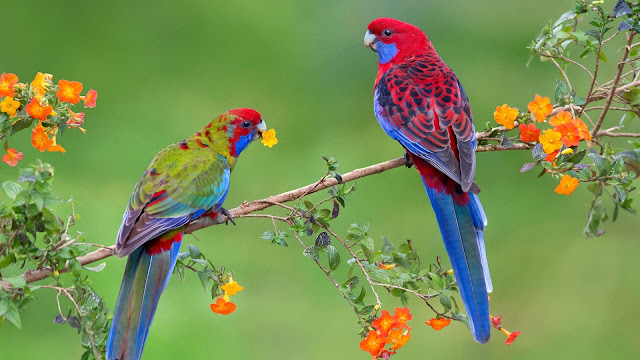
Crimson rosella with juvenile, Victoria, Australia Snack time for the crimson rosella Everybody loves a little snack, and the cheerful rosella is no exception. The bird, which is native to Australia (but has been introduced to New Zealand and Norfolk Island) will happily feast on tree blossoms, berries and insects, but more commonly nibbles on seeds of eucalyptus, grasses and shrubs. Make sure to pay close attention to its colour though, because there are actually three variations of rosellas. The crimson rosella, with a red plumage (the layer of feathers that mostly cover a bird) and bright blue cheeks. Then there is the ‘yellow rosella’, which has the areas of crimson replaced with a light yellow and greener tail, as well as the ‘Adelaide rosella’ which can range from yellow to a reddish-orange in colour. If you do happen to spot one out in the wild, don’t be scared - the birds are relatively familiar with humans and are known to accept hand-held food.

The Colors Of Nature In Jerte Valley

Image
Blooming cherry trees in Jerte Valley, Province of Cáceres, Spain Jerte Valley in bloom As winter turns to spring in the Jerte Valley, all eyes are on the cherry blossoms. This tiny region in the Province of Cáceres, Spain, has the perfect microclimate for cherry trees, and there are more than 1.5 million of them here in just 37 square kilometres. The cherry blossoms last just two weeks before the petals rain down, covering the entire valley. About 40 days later, the first cherries are ready to be picked. Locals make wine, beer, and various foods with them. Cherries are also used for spa and beauty treatments, since they have antioxidants and anti-inflammatory properties, in addition to vitamins and ellagic acid .

The Messenger Of Happy Season

Image
Male mountain bluebird in Yellowstone National Park, Wyoming Hello, mountain bluebird Welcome back! Although this bright fellow may be enduring the last of this year's snow in Yellowstone National Park, his presence means winter will soon be ending across the world. Bluebirds are a symbol of happiness and a welcome sign of spring in many cultures. Soon other migratory birds will arrive in the Greater Yellowstone Ecosystem - a seven-million-hectare tract that includes Grand Teton National Park and surrounding national forests. It's the world's largest intact ecosystem in the northern temperate zone. What exactly does that mean? Since wolves were reintroduced to Yellowstone 25 years ago, all the animal species that were first documented by European explorers can still be found here. (© Jason Savage/Tandem Stills + Motio)

"Peach blossoms"

Image
It is “Ritsuharu”. “Peach blossom”, which means  that the spring begins.

Sneeze Spring

Image
Snowdrop in the snow