Posts

Showing posts with the label spring is coming

A Party At Siesta

Image
Aerial view of Siesta Beach, Siesta Key, Florida Fiesta at Siesta Here we are in mid-March already, the time of year when American college-aged revellers invade the world's beaches, like this one on Florida's Siesta Key. Located in Sarasota County off the state's western shore, the island beach is a fixture on lists of America's top beaches, a standout even in a state where soft, welcoming sands compose over half the 1,900-kilometre coastline. Using the onset of spring in the region as an excuse to cut loose is nothing new, going back at least to the ancient Greeks and Romans. But spring break as we know it (a holiday period during early spring at American universities and schools) originated in the 1930's, when Fort Lauderdale began welcoming college swim teams for training. In March 1961, over 50,000 young people vacationed in the city. By the '70s, rising prices and increasing consternation of locals began driving the party from Fort Lauderdale t...

The Messenger Of Happy Season

Image
Male mountain bluebird in Yellowstone National Park, Wyoming Hello, mountain bluebird Welcome back! Although this bright fellow may be enduring the last of this year's snow in Yellowstone National Park, his presence means winter will soon be ending across the world. Bluebirds are a symbol of happiness and a welcome sign of spring in many cultures. Soon other migratory birds will arrive in the Greater Yellowstone Ecosystem - a seven-million-hectare tract that includes Grand Teton National Park and surrounding national forests. It's the world's largest intact ecosystem in the northern temperate zone. What exactly does that mean? Since wolves were reintroduced to Yellowstone 25 years ago, all the animal species that were first documented by European explorers can still be found here. (© Jason Savage/Tandem Stills + Motio)

Tapping For Sap

Image
Sap buckets hanging on maple trees in a forest, Quebec Tapping for sap When springtime is around the corner, it’s time to go tapping for sap. Maple trees convert stored starch into sugars which when tapped, causes sap to flow. In this picture today, sap is likely dripping from the spout into the buckets attached to the trees. The amount of sap required to produce maple syrup is dependent on the sugar content of the sap. With a high sugar content, less sap is needed for syrup and vice versa. Once the sap is collected, it is kept cool and processed immediately to produce the highest quality of sweet maple syrup. (© Benoit Daoust/Shutterstoc)

Fishing Is In Air...

Image
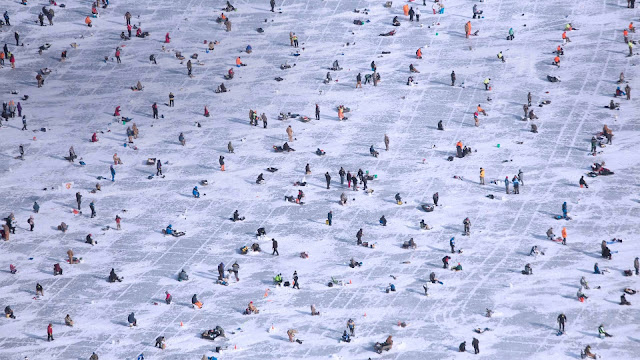
People ice fishing on Lake Gard in Brainerd, Minnesota.