Posts

Showing posts with the label wildlife

A Love So Deep... So Inspiring..
Image
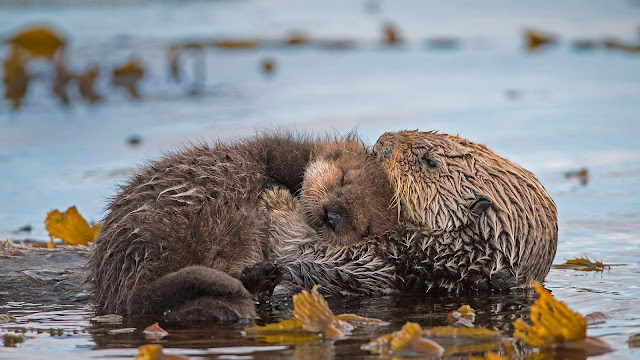
  A new born pup is sleeping on the Mummy Sea Otter,  Monterey Bay  California. Sea otters shower their pups with attention, cradling them and grooming them for hours. But it's more than a gesture of affection - a mummy will rub her pup to fluff the pup's coat, which causes the fur to retain air bubbles. The air insulates the pup from chilly water and sometimes causes the youngster to float like a cork. Sea otters can survive on land, but they spend most of their time in the water, sleeping above the surface and anchoring themselves with kelp or by holding onto each other. When they get hungry, they use rocks as tools to hunt for food and pry open shells - something that makes them relatively unique, as they're one of the few mammals that can use tools.
A Fool Bird On A Fool's Day

Image
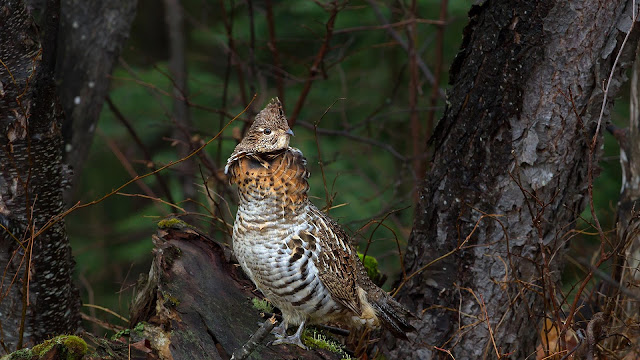
A fool's hen? Ruffed grouse in Algonquin Provincial Park, Ontario, Canada by Jim Cumming. Various types of forest grouse are sometimes rather unkindly referred to as 'fool hens' because they don't fly away when approached by humans. In its northernmost habitat in Canada, the ruffed grouse pictured here is more likely to behave a little more ‘foolishly’, sitting and looking at people as they approach. But further south, they are more wary and fly off at the slightest sign of movement. And they can be quite the acrobatic fliers when needed, flying in short spurts and making sharp twists and turns as they navigate thick forests.

Mother– A Savior, A Protector

Image
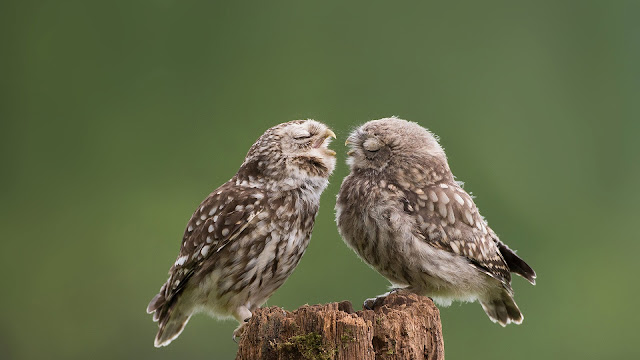
A little owl love on Mothering Sunday A love so pure and so selfless! This little owl is shown feeding her baby son as we celebrate Mothering Sunday in the UK. The UK’s smallest owl, they reach full height at around 20cm– so are quickly caught up by their offspring. With striking yellow eyes and a mottled brown and cream colouring, it is not unusual to spot little owls sitting on fence posts like this one during the daytime, scouring the ground for food – from crickets and beetles to small mammals. They nest in holes – usually in trees but, thanks to their small stature, can set up homes in abandoned rabbit burrows and cavities in buildings and rocks. The little owl was introduced to the UK in the late 1800's and is now largely found in the farming landscapes of southern and south east England. They raise their young between May and July and are quite chatty, so listen out for their distinctive calls - the males can be particularly noisy when establishing their territo...

The Allure Of Some Predators

Image
Eurasian Eagle-Owl (Bubo bubo) in wildflower meadow, Rhineland-Palatinate, Germany Look at the ears and the fascinated feathers of this magnificent creature! Hedwig is probably one of the most famous owls in contemporary film history. As a faithful companion of Harry Potter, she has not only found a place in the hearts of many children, but also delighted many adults. We don't know why our leading actor looks so grim in this picture, but even a Lord Voldemort should be anxious and serious. Our owl – scientifically known as Bubo bubo - belongs to a genus of birds in the family of the actual owls. With a size of up to 75 centimetres, a weight of around 3.4 kilograms and a wingspan of about 1.80 metres, the owl is the largest owl in the world. Special features are its eye-catching feather ears and the striking orange eyes. Today's picture was taken in Rhineland-Palatinate. The main area of the owl is located in the state with the capital Mainz in the districts of Bad ...

Some Cats without Hats

Image
A puma in the Andes, Argentina This lone puma walks in the Andes of Argentina, and it may be looking for a companion who can cluster.  Here is one of the biggest cats of the world! A 'Cougar' in fact and of course without a hat... (Wondering why???) Today is March 2 and here we are celebrating Dr. Seuss Birthday who wrote remarkable books and made our childhood memorable with pretty pictures and invincible rhymes. His famous book "The Cat In The Hat", is a story about a silly cat who always falls for wrong charms, still warming the hearts of the children.  Let's take a moment, stop making movement and recall old times, all fun and sun shines...  Do tell about about your favorite work of Dr. Seuss.  (© Sebastian Kennerknecht / Minden Pictures)

Little Hiding Wapusks (White Bears)

Image
Polar Bear Cubs Looking out of the Den, Wapusk National Park, Churchill, Manitoba, Canada "World Wildlife Day" tomorrow.  "Polar Bear Children Hiding in the Snow Cave", Manitoba, Canada Tomorrow, March 3, is "World Wildlife Day."  Enacted by the United Nations General Assembly to commemorate the Washington Treaty being adopted on March 3, 1973.  It is a day to raise awareness of various wildlife living in the natural environment ... This is  Wapusk   National Park in Manitoba, Canada.  "Wapusk" is an indigenous language that means "polar bears", and there are so many polar bears that it is called the "capital of polar bears."  They hunt on ice floes, but in recent years the effects of global warming have reduced ice floes and are threatening extinction. ( © Robert Harding / Alam)

The Hungry Bears

Image
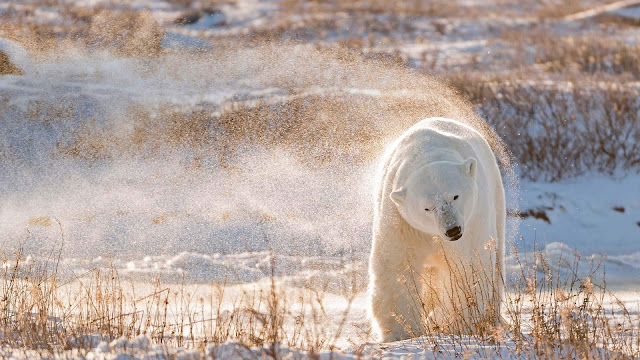
"Polar Bears", Hudson Bay, Canada Today is "International Polar Bear Day".    Polar Bears International, a private protection organization, was established and spread worldwide.  A day aimed at protecting polar bears, the animals most affected by global warming… The main food of polar bears is seals.  I live by hunting seals on the frozen sea.  Therefore, when the ice on the sea is low, it becomes impossible to feed.  Polar bears living here in Hudson Bay, Canada, are facing such a crisis. (© Ralph A. Clevenger / Tandem Stills + Motio)

The Three Musketeers (Polar Bears)

Image
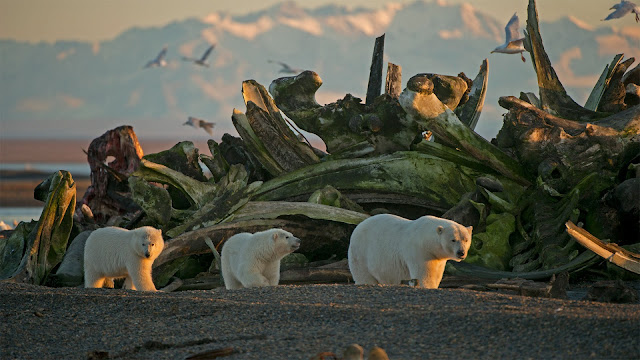
A polar bear sow and her cubs in Alaska's Arctic National Wildlife Refuge Three cheers for polar bears! February 27 is International Polar Bear Day, an observance created to bring attention to the important role these alpha predators play in the Arctic ecosystem. Though polar bears aren’t endangered - their current conservation status is ‘vulnerable’ - these magnificent beasts have become a sort of mascot for the race to slow the melting of Arctic sea ice. The Arctic ice is crucial to the bear's survival, as they hunt the ringed seals that bob up through holes in the ice. As Arctic ice decreases, the polar bear's hunting ground does too. ( © Steven Kazlowski/Minden Picture)

Big Wrestling Cats

Image
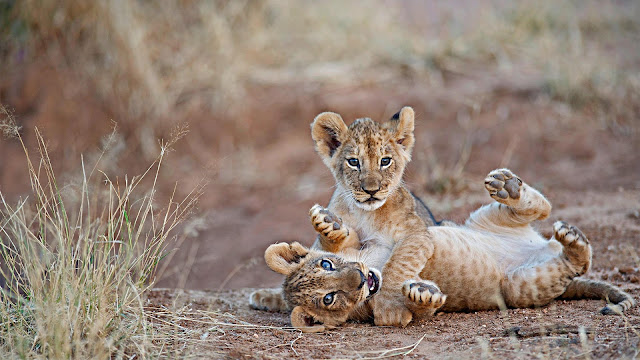
The "Lion Lion" Kenya, Samburu Nature Reserve It's Cat's Day !!! Today is Cat Day on February 2 (Nyan) 2 (Nyan).  As you can see, this is an anniversary only for Japan, but there are nationwide cat transfer events, local cat protection events, and other cat related events… This is Samburu Nature Reserve in Kenya, Africa.  Lion children are playing around.  Even the lion of the beast is a cat.  It is such a cute figure when small. ( © Mark C. Ross / Getty Image)

Meerkat Huddle

Image
The Meerkat Family in Scrum

Calving Season—Across The Great Plains Of Africa

Image
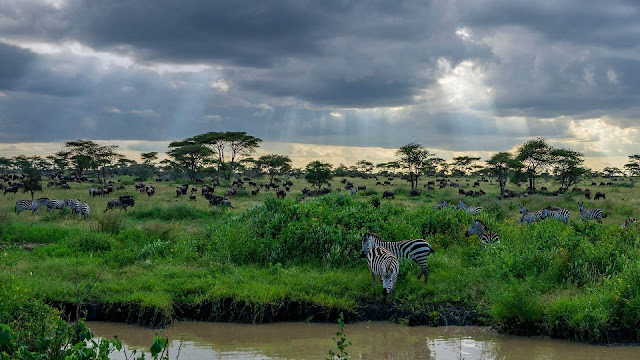
Zebras and wildebeests in the Serengeti National Park in Tanzania

Polar Bears In Alaska

Image
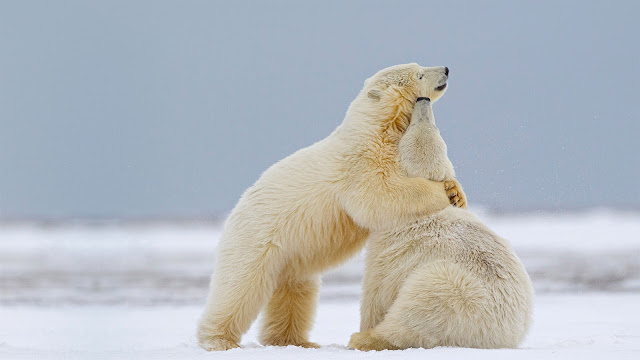
Polar bear cubs playing in Kaktovik, Alaska

Taikan Crane

Image
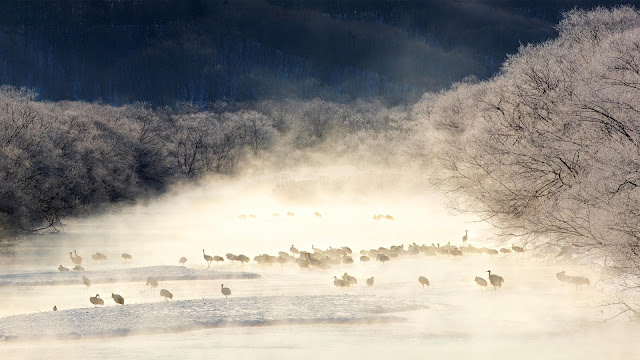
"The Japanese crane in the storm", Snow River, Hokkaido

Musk Ox In Winter

Image
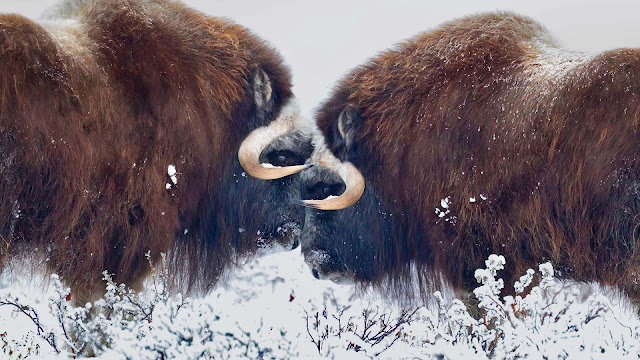
Male muskoxen near Prudhoe Bay in Alaska, USA. Head-to-head. Going head to head with winter.

Snow Hare

Image
A mountain hare hunkers down in a snowstorm in the Cairngorms, Scotland.

Reindeer Norway

Image
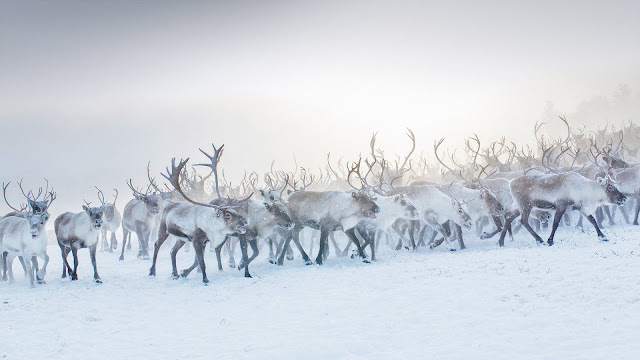
A herd of reindeer in Norway.

Spruce Grouse

Image
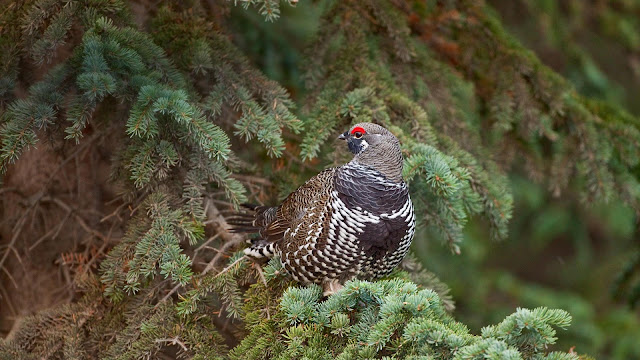
Spruce grouse in a spruce tree in Denali National Park and Preserve, Alaska. 

Sheep-Cote Clod

Image
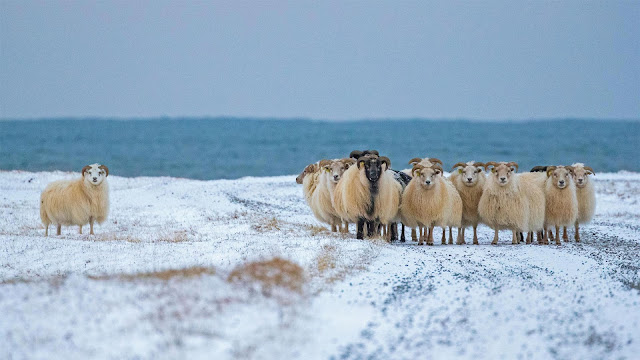
Icelandic sheep   In western countries, most children believe in a friendly Santa Claus who arrives on Christmas Eve but there are Icelandic kids who anticipate the arrival of the Yule Lads. The 13 mischievous troll like characters who live somewhere up in the mountains. Sheep-Cote Clod is the first Yule lad who comes down the town to award the well behaving children with treat at the evening of December 12. One by one, the yule lads start to arrive in the town till December 24.  Beginning on the evening of December 11 Icelandic kids will happily put their shoes out on the window sill, hoping for a nice treat. But the kids with bad manners will wake up to a potato.     Icelandic kids have heard the story of the Yule Lads. That tale has been started to descend from the year 1932. "Yule Lad Peom" is written by Jóhannes úr Kötlum. Jóhannes illustrates Sheep-Cote Clod in the most enchanted way: The first of them was Sheep-Cote Clod. He came stiff...

Waxwings

Image
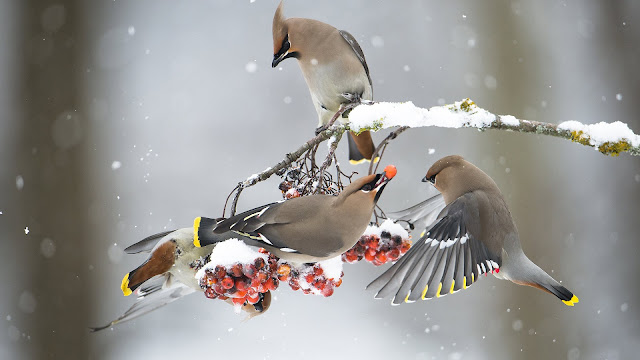
Waxwings feeding on rowans. (© Berndt Fischer/Getty Images Plus)

Churchill Polar Bears

Image
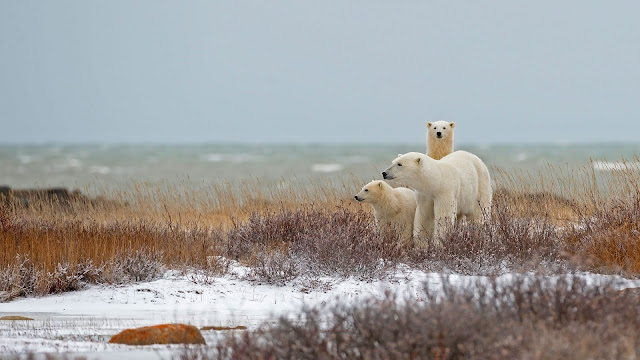
A polar bear family near the Hudson Bay in Churchill, Manitoba, Canada.  (© Marco Pozzi Photographer/Getty Images)