Posts

Showing posts with the label branch

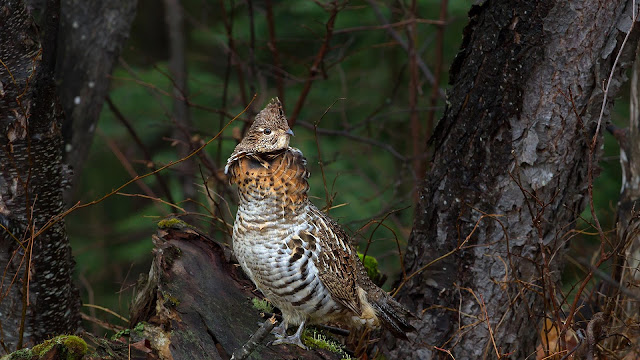
A Fool Bird On A Fool's Day
Image
A fool's hen? Ruffed grouse in Algonquin Provincial Park, Ontario, Canada by Jim Cumming. Various types of forest grouse are sometimes rather unkindly referred to as 'fool hens' because they don't fly away when approached by humans. In its northernmost habitat in Canada, the ruffed grouse pictured here is more likely to behave a little more ‘foolishly’, sitting and looking at people as they approach. But further south, they are more wary and fly off at the slightest sign of movement. And they can be quite the acrobatic fliers when needed, flying in short spurts and making sharp twists and turns as they navigate thick forests.
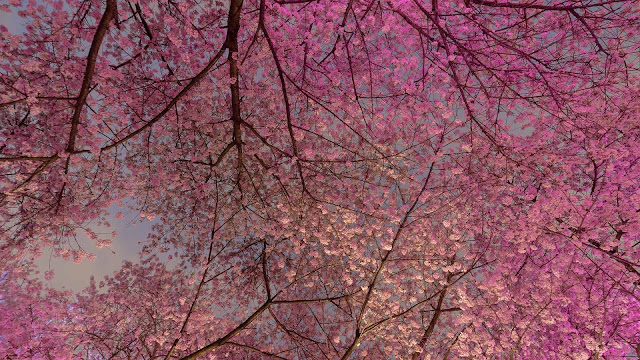
White, Pink And Purple Blossom

Image
Blooming cherry trees in Vancouver, B.C, Canada

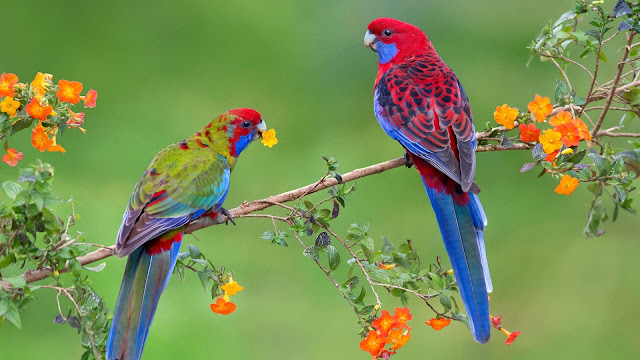
A Pair Of Crimson Rosella

Image
Crimson rosella with juvenile, Victoria, Australia Snack time for the crimson rosella Everybody loves a little snack, and the cheerful rosella is no exception. The bird, which is native to Australia (but has been introduced to New Zealand and Norfolk Island) will happily feast on tree blossoms, berries and insects, but more commonly nibbles on seeds of eucalyptus, grasses and shrubs. Make sure to pay close attention to its colour though, because there are actually three variations of rosellas. The crimson rosella, with a red plumage (the layer of feathers that mostly cover a bird) and bright blue cheeks. Then there is the ‘yellow rosella’, which has the areas of crimson replaced with a light yellow and greener tail, as well as the ‘Adelaide rosella’ which can range from yellow to a reddish-orange in colour. If you do happen to spot one out in the wild, don’t be scared - the birds are relatively familiar with humans and are known to accept hand-held food.

The Messenger Of Happy Season

Image
Male mountain bluebird in Yellowstone National Park, Wyoming Hello, mountain bluebird Welcome back! Although this bright fellow may be enduring the last of this year's snow in Yellowstone National Park, his presence means winter will soon be ending across the world. Bluebirds are a symbol of happiness and a welcome sign of spring in many cultures. Soon other migratory birds will arrive in the Greater Yellowstone Ecosystem - a seven-million-hectare tract that includes Grand Teton National Park and surrounding national forests. It's the world's largest intact ecosystem in the northern temperate zone. What exactly does that mean? Since wolves were reintroduced to Yellowstone 25 years ago, all the animal species that were first documented by European explorers can still be found here. (© Jason Savage/Tandem Stills + Motio)

The Passage Of Heaven

Image
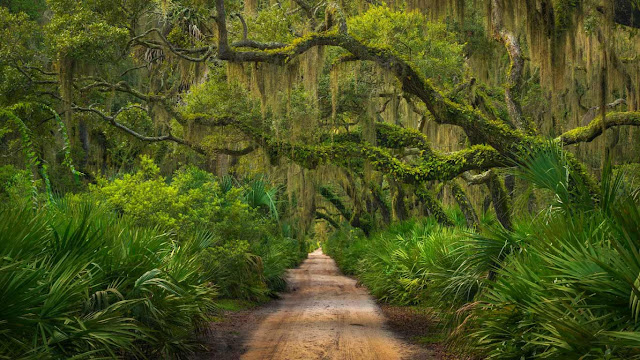
Cumberland's Coastal Forest, Georgia, USA  Cumberland Island, Georgia, USA is rich in natural resources. Here you can find miles of unspoiled beaches, marine forests, and the remains of early island residents.  In the 1880s, Thomas Carnegie, the younger brother of steel king Andrew Carnegie, built the Dungeness mansion on the island, but now only ruins remain.  On Cumberland, you can also see herds of wild horses grazing near the ruins, the picture is very peaceful. (© Chris Moore / Tandem Stills + Motion)

"Peach blossoms"

Image
It is “Ritsuharu”. “Peach blossom”, which means  that the spring begins.

Pine Bough

Image
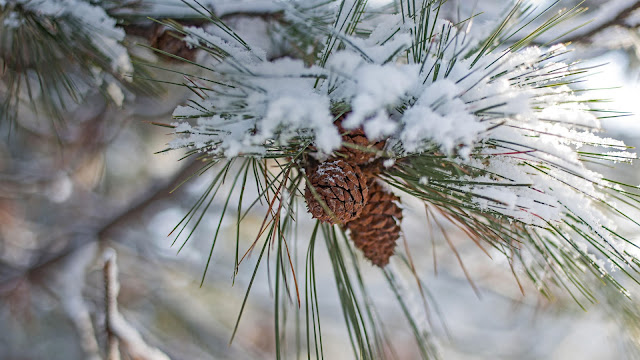
Fresh fallen snow on pine tree

Lunar New Year Eve 2020

Image
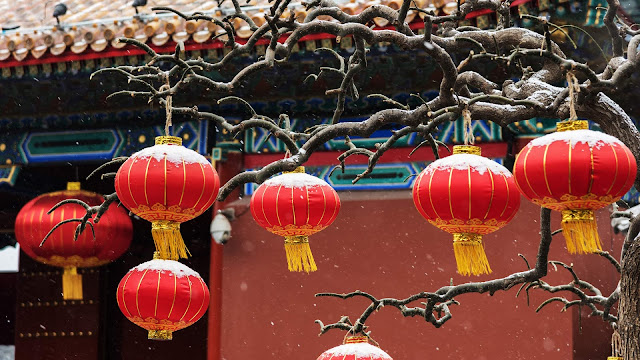
New Year decorations and hangings, China

Lunar New Year 2020

Image
Lunar New Year Celebrations in Beijing, 2020

21st January— Squirrelly Day

Image
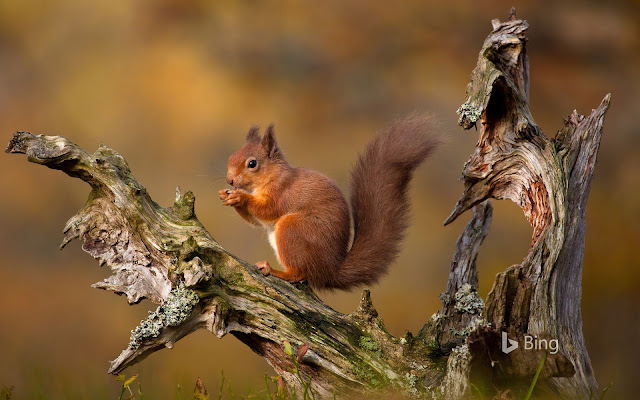
Eurasian red squirrel in the Cairngorms, Highlands of Scotland It's 'Squirrel Day' today.    It was established by Christy Hargrove, a wildlife rehabilitator from North Carolina on 21st January.   there are about 285 species of squirrels in the world, ranging from the tiny African pygmy squirrel to the Bhutan giant flying squirrel  .

Apple Day

Image
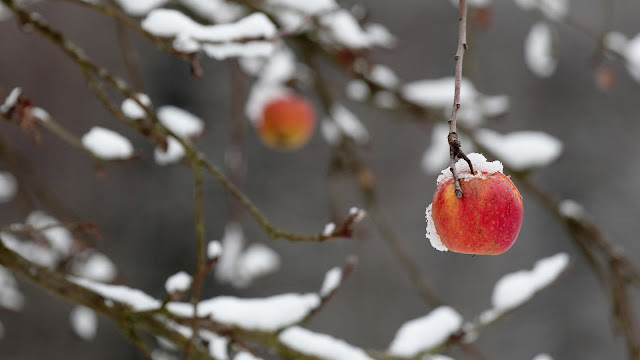
Red apple on a broken branch in winter, Coburg, Bavaria, Germany.

Gold Finch In Snow

Image
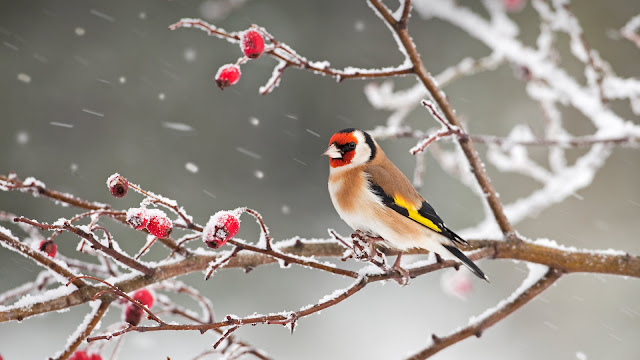
Red-billed silver finch is a wild bird distributed on plains and low forest areas from Eurasia to North Africa.

"Mus Musculus" ⏤⏤ The Rat Year

Image
"Mus musculus", Hertfordshire, England. This is the Rat Year "Mus Musculus" according to the zodiac calendar that means this year is the child year. It  is said to be a thriving year .  This cute rat is a murmur that t he smallest rat in Japan.  It is distributed from northern Asia to Europe, including Japan.  As the name suggests, it is a quiet animal living on tall grasslands such as the pampas field.

Overwintering Monarch Butterflies

Image
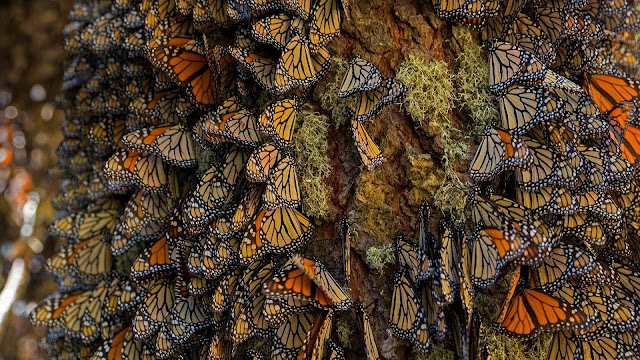
Monarch butterflies wintering in Michoacán, Mexico. The monarch butterflies are unique and irresistibly adorable. Unlike other butterflies the monarchs are delicate and couldn't resist winter so they gather the clues from the changing weather and prepare themselves for a long migration. They know when is the time to travel to south from the harsh winter of north.  They use thermals and air currents to make their trek smooth and to survival such a long journey in spite of bring such a fragile creature. Some estimate that these monarchs can travel about 3,000 miles to escape death and starvation of winter.  Well !!! Here is an excellent example for those who couldn't fight and survive the crisis when they were strong enough to hold their own bargain. Just take a look at the monarchs and you will find your inspiration.     

Great Horned Owl

Image
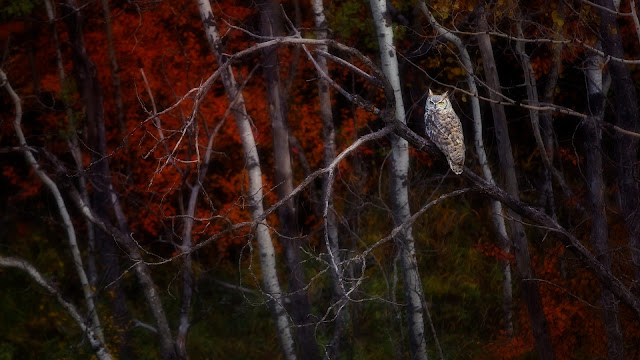
Great horned owl sitting in an aspen tree, Alberta, Canada.