Posts

Showing posts with the label moon

A Super-So-Pink-So-Full-Of-Hope-And-Spring-Moon
Image
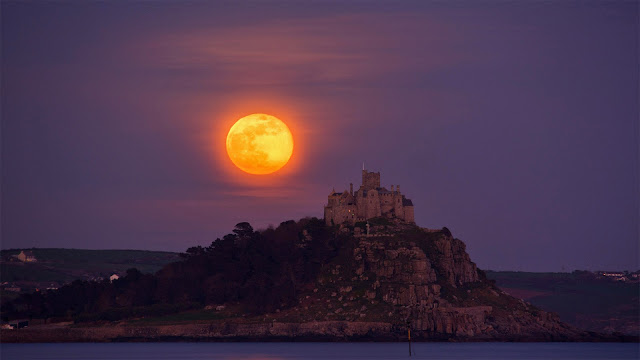
The April full moon, or pink moon, rises over St Michael's Mount, Cornwall, England by Simon Maycock. Once in a pink moon! We're seeing a vivid 'pink moon' rise above St Michael's Mount - a granite-encrusted isle connected to the rugged peninsula of Cornwall, England, by sandy flats and a man-made causeway that submerge at high tide. The same order of monks that established France's Mont-Saint-Michel built a church and priory here in the 12th century. In ensuing centuries of war, the insular monastic outpost was fortified into the imposing castle we see today. Privately purchased in 1659, the mount was opened to the public in 1954 - and is still managed by members of the family that bought it over 350 years ago. This photo may give the moon a somewhat salmon tint, but the term 'pink moon' doesn't arise from its colour, nor from any place near the Cornish shores. The April full moon is called the pink moon because Native Americans associa...

A Miracle Miracle

Image
"One pine tree of miracle", Rikuzentakata, Iwate It's been nine years since the Great East Japan Earthquake. In 2011, the Great East Japan Earthquake occurred.  The largest earthquake in Japan's history, has caused even greater damage, including tsunamis and nuclear accidents.  Nine years later, the recovery has progressed, but there are still traces of the disaster ... This "One Miracle Miracle" is a monument left in Rikuzentakata City, Iwate Prefecture.  This was once a scenic spot that was once designated as one of Japan's 100 scenic spots, but the pine was left behind and one side was exposed to the tsunami.  This one-honmatsu, which did not wash away by the tsunami, tells the state of the time that conveys the scars of the earthquake.

90 Years Of Pluto Discovery

Image
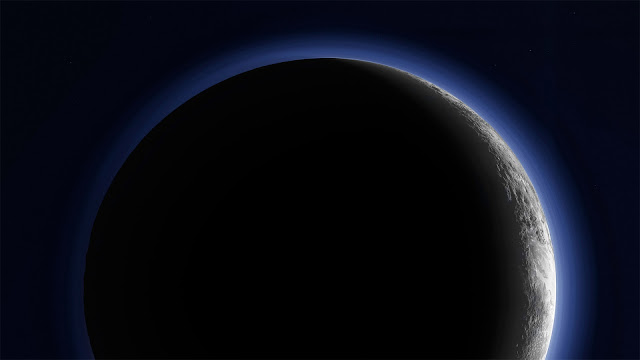
"Pluto shining on the crescent moon" NASA, New Horizons.

Jupiter And Galileo Satellites

Image
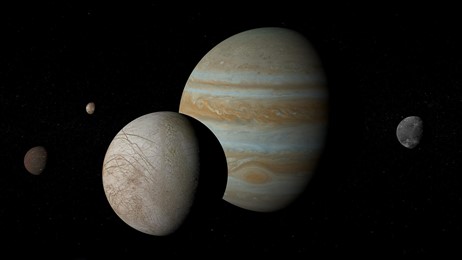
Today is the day of discovery of "Galileo satellite".   Galileo Galilei discovered the planet Jupiter and its four biggest moons (Io, Europa, Ganymede, and Callisto) on January 7th, 1610 with the help of binoculars.